
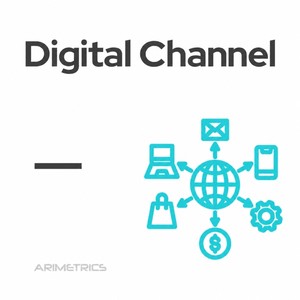
 Definition:
A digital channel is a technology-based medium used to provide information, hold conversations, deliver a service or enable a transaction. A website, an app, email, a social media profile or chat can all act as channels when they connect an organisation with its audience.
The channel is not the campaign or the message itself. It is the route through which the message arrives and a response may take place. Nor is everything that happens there measured automatically. Useful data depends on sound technical implementation, clear measurement criteria and, where required, consent.
Índice de contenidos
Types of digital channels and examples
Channels are often grouped by the job they perform, although one platform may serve several purposes:
- Websites, online stores and blogs: bring together information, content, forms, sales or private areas under the organisation’s control.
- Mobile apps: provide frequently used services and can make use of device features such as notifications or location.
- Email and messaging: support direct communication, from a newsletter to an individual support conversation.
- Social networks and communities: help distribute content, host public conversations and build relationships with an audience.
- Video, audio and advertising platforms: distribute multimedia content or ads and provide reach beyond an organisation’s own spaces.
This is not a fixed list. A customer portal, a conversational assistant or a self-service screen in a store may also be a digital channel when it forms part of the user’s relationship with an organisation.
How to choose a digital channel
Opening accounts on every available platform is rarely a useful strategy. The choice depends on the objective, the audience’s habits and the experience the organisation wants to provide. A company might use its website to explain a complex service, email to maintain the relationship and chat to resolve a particular issue.
Available resources matter too. Every channel needs content, support, technical maintenance and its own publishing rhythm. Before adding one, it is worth deciding who will manage it, what role it will play in the user journey and what should happen when a conversation moves elsewhere. Accessibility, privacy and dependence on third-party platforms should be considered from the outset, rather than after launch.
Management and measurement
Managing a channel means setting responsibilities, tone, formats, response times and procedures for incidents. A website needs content and navigation to be maintained; a community also needs moderation guidelines. Technology can support this work, but it cannot replace these decisions.
Metrics depend on the channel’s purpose. Email may be assessed through open rate, clicks or unsubscribes; a website through conversions and completed tasks; social media through reach, responses and engagement. Those figures need context. A high volume of interactions does not by itself prove business value, and tracking may contain gaps caused by configuration, consent or technical changes.
Digital channels and omnichannel strategy
A strategy may use several channels without being omnichannel. Omnichannel describes the coordination of those touchpoints so that the experience remains continuous. For example, an enquiry started on a website might continue by phone or in a store without forcing the customer to repeat all the information.
That coordination requires teams to share only the necessary data, maintain consistent criteria and decide which channel is most appropriate at each stage. The aim is not for every channel to do the same thing, but for each one to have a clear role within a shared experience.