
 Definition:
Soundmoji is a messaging resource that pairs an emoji-like visual symbol with a short audio clip. When it is sent from a compatible platform, the recipient receives the graphic representation and can hear the related sound, such as applause, laughter, a drumroll or a music excerpt.
A soundmoji is not a universal character or an extension of the Unicode standard. Its appearance, library, playback and availability depend on the service that provides it. Meta popularized the name when it introduced Messenger Soundmojis in 2021, and other platforms have since used the same term for features with their own behavior.
Table of contents
How a soundmoji works
The interaction takes place within the application that provides the feature. Although each service designs its own interface, the process commonly includes these actions:
- Selection: the person opens the available reaction, emoji or sound panel.
- Preview: the application allows the associated audio to be checked before it is sent.
- Sending: the system posts an element that combines an image and sound in the conversation.
- Playback: the recipient hears the clip automatically or activates it, depending on the platform and its settings.
The audio is not embedded in the emoji as part of its code. The application maintains the relationship between the visual resource and the audio file, so the same element may not work outside that environment.
Origin and evolution
Meta introduced Messenger Soundmojis on July 15, 2021, two days before World Emoji Day, which is observed on July 17. The official Soundmoji announcement described a library containing effects such as applause, crickets, drumrolls and laughter, together with licensed clips from productions and artists.
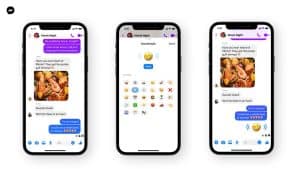 The historical Messenger screenshot shows the original model: each sound was linked to an emoji and sent as a reaction within the chat. Other services, including Discord, have since used the term, but it does not identify a common technical format. Each implementation may change the library, permissions, playback method and supported devices.
Differences from other resources
Soundmojis are part of visual and audio communication, but they should not be confused with other elements commonly used in chats and social networks:
- Emoji: a coded graphic character represented by different systems. Its design may vary, but its meaning and code are interoperable.
- Emoticon: a combination of typographic characters used to represent an expression, as explained in the emoticon entry.
- Sticker: a static or animated image with greater visual freedom that does not necessarily include sound.
- Voice message: a recording created by the sender rather than a short clip selected from a library.
- Soundboard: a collection of sounds commonly played within a voice conversation; they are not always sent as a visible object in the chat.
Uses in digital communication
A soundmoji adds an audio layer to a visual reaction. It can convey tone, provide a response without a long written message or introduce a recognizable cultural reference. Its uses depend on the context and the platform’s capabilities:
- Reactions: reinforce responses such as surprise, celebration, awkward silence or approval.
- Informal conversations: add rhythm and nuances that may be difficult to communicate through text alone.
- Communities and events: allow effects associated with a theme, launch or broadcast to be used.
- Brand communication: may form part of an interaction when the tone, audience and sound rights allow it.
Their use does not guarantee more attention, recall or interaction. An unexpected sound can also interrupt a conversation or be inappropriate in customer service, professional environments and sensitive situations.
Limitations and accessibility
The audio component introduces conditions that do not exist in a conventional emoji. The following limitations should be considered when interpreting or designing an experience with soundmojis:
- Compatibility: the resource works only in applications, versions, accounts and devices that support the feature.
- Audio control: users should be able to anticipate or stop playback and retain control of the volume.
- Visual alternative: meaning should not depend on sound alone, in line with web accessibility principles.
- Licensing: music excerpts, voices and effects may be subject to rights and platform terms of use.
- Cultural context: an image or sound may be interpreted differently depending on the language, community or situation.
The library and conditions may change without the term disappearing. Soundmoji therefore describes a type of audiovisual reaction, while its specific behavior must be checked in the service where it is used.