
 Definition:
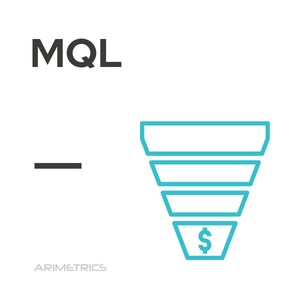
MQL is an acronym that refers to Marketing Qualified Lead. This is a stage in the lead generation process in which a lead demonstrates a specific interest in a company’s product or service and meets a number of criteria that make them more likely to become a customer.
Índice de contenidos
MQL Flow
MQLs are usually leads that have interacted in some way with the company through its marketing channels, such as downloading a guide or attending a webinar. Unlike unqualified leads (SQLs), which can be anyone who has provided their contact information, MQLs have demonstrated a specific interest in the company’s product or service and can be more easily converted into customers.
Once a lead has qualified as MQL, it is usually transferred to the sales team to become a customer. It is important to note that not all MQLs will become customers, but they may be more likely to do so than unqualified leads.
MQL Examples
Below are some examples of actions that can qualify a lead as MQL:
- Download a guide or e-book from the company’s website.
- Sign up for a newsletter.
- Attend a webinar or online event organized by the company.
- Make a purchase on the company’s website.
- Participate in an online survey or survey.
- Request a demo or free trial of the company’s product or service.